POTS Replacement Keeping Fire Alarms and Elevator Phones Online During Outages
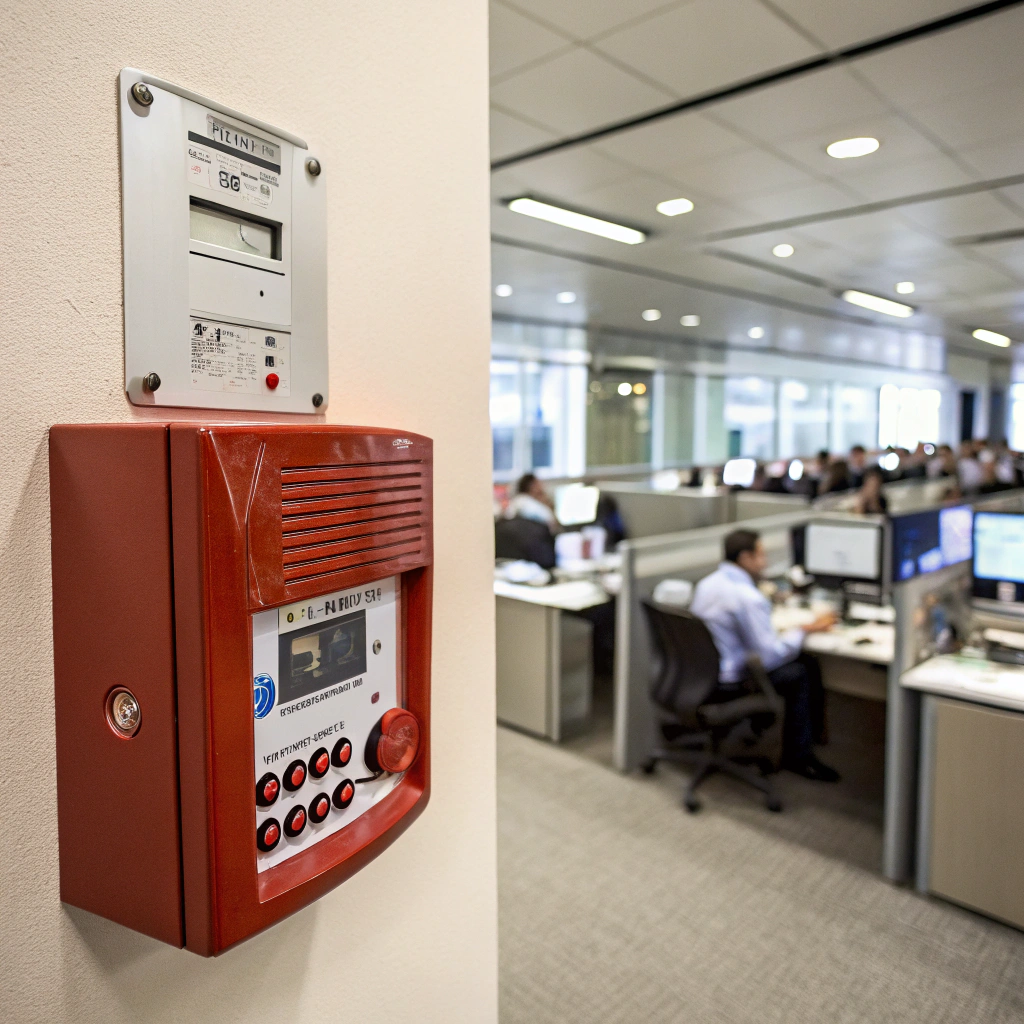
Why Legacy POTS Lines Fail When Power Goes Out
Traditional Plain Old Telephone Service (POTS) relies on copper pairs that draw power from the local telephone exchange. When a building loses electricity or its IP network drops, those lines lose the ability to carry voice, leaving life‑safety devices—fire alarm panels, elevator phones, nurse call stations—offline exactly when they are needed most.
SPARK: A Modern, Resilient Replacement
UCC Networks’ SPARK platform moves voice traffic into the Microsoft Teams ecosystem while preserving the redundancy required for safety systems.
- Native Teams integration – users dial and receive calls directly from Teams, eliminating separate desk phones.
- Dedicated safety trunks – fire alarm and elevator phone circuits are mapped to separate SIP trunks with priority QoS.
- Battery‑backed gateway – the SPARK edge device includes UPS power, keeping SIP signaling alive for up to 12 hours without external power.
- Fail‑over to cellular – if the primary internet link fails, a built‑in LTE module automatically routes safety calls to the carrier network.
Keeping Fire Alarms Connected
Fire alarm control panels traditionally use POTS lines to alert the monitoring center. With SPARK:
- The panel’s analog line is connected to a FXO port on the SPARK gateway.
- The gateway converts the analog signal to SIP and routes it over Teams or directly to a monitoring service.
- During a power outage, the UPS‑powered gateway continues to transmit alarm messages, ensuring instant notification even when the building’s main power is down.
Elevator Phones Remain Operational
Elevator emergency phones are critical for passenger safety. SPARK’s approach:
- Separate SIP trunk for each elevator bank, isolated from regular voice traffic.
- Priority routing guarantees that an emergency call jumps ahead of all other calls.
- Redundant network paths (wired + LTE) keep the call path alive if the primary Ethernet link fails.
Benefits for Facility Managers
- Reduced maintenance – no more copper line inspections or service tickets for dead POTS lines.
- Scalable – add new safety devices without digging new trenches.
- Compliance – meets NFPA 72 and local codes for life‑safety telephony with modern IP technology.
By replacing legacy POTS with SPARK, organizations protect their occupants, simplify infrastructure, and gain confidence that fire alarms and elevator phones stay online—no matter the outage.